Punjab Newsline | New Delhi
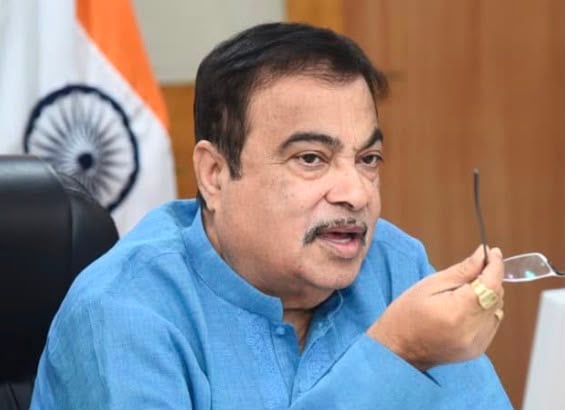
Central Government on Wednesday acknowledged for the first time that E-20 petrol — fuel blended with 20% ethanol — may affect certain components in older vehicles. The information was shared by Union Road Transport and Highways Minister Nitin Gadkari in a written reply in the Rajya Sabha.
Gadkari said that some older vehicles compliant with BS-3 emission norms may require replacement of certain rubber parts and gaskets when using E-20 fuel. These vehicles were mainly manufactured between 2005 and 2016.
However, he clarified that the affected components can be easily replaced during regular servicing and that no engine modification is required.
The minister emphasized that studies conducted so far have not found any major impact of E-20 on the overall performance or durability of vehicles.
According to Gadkari, research on two-wheelers and four-wheelers was carried out by Indian Oil Corporation (IOC), the Indian Institute of Petroleum (IIP), the Society of Indian Automobile Manufacturers (SIAM), and the Automotive Research Association of India (ARAI).
He also noted that vehicle mileage depends on several factors, including driving style, road conditions, maintenance, and overall vehicle condition, and not solely on the type of fuel used. Gadkari added that ethanol-blended fuel has been used in various countries for more than a century.
Parts That May Need Replacement
The components that could be affected include: Fuel pipes, O-rings, Rubber seals, Fuel hoses, Gaskets, Rubber components inside fuel pumps, Injector seals
Most of these parts are located in the fuel system rather than inside the engine.
Which Vehicles Could Be Affected?
The government indicated that vehicles below Euro-4 standards may be more likely to require such replacements. As per the parliamentary reply, two-wheelers and four-wheelers manufactured before 2016 under the BS-3 regime introduced on April 1, 2005, fall within this category.
Possible Replacement Cost
The cost would vary depending on the vehicle brand and model:
Two-wheelers: approximately ₹500–₹1,500
Four-wheelers: approximately ₹2,000–₹8,000
Luxury vehicles could involve significantly higher costs than mass-market models.
No Fixed Replacement Interval
The government said there is no prescribed time or mileage limit for replacing these parts. They would only need to be changed if wear, leakage, swelling, or damage is detected during routine servicing.
Why Can E-20 Affect Older Parts?
Ethanol can cause older rubber materials to become hard, soft, swollen, or degraded over time. Many rubber compounds used in older vehicles were not originally designed for prolonged exposure to higher ethanol-blended fuels.
Effect on Metal Components
The reply suggested that the primary concern is with rubber and fuel-system components. Any possible effect on metal parts would be limited and is considered less significant, particularly in newer vehicles designed for ethanol blends.
Will Vehicles Start Showing Problems Immediately?
The government indicated that vehicles are expected to continue operating normally, but owners of older models may need to pay closer attention to maintenance and periodic inspection of fuel-system components.
Impact on Cars and Bikes
Both cars and motorcycles could potentially be affected, though the extent would depend on the vehicle’s design, fuel system, and the materials used in its components.
The statement is significant because it marks the first explicit acknowledgment by the government that E-20 fuel may require additional maintenance attention in certain older vehicles, even as India continues to expand the use of ethanol-blended petrol as part of its energy and emissions strategy.