Punjab Newsline | Chandigarh
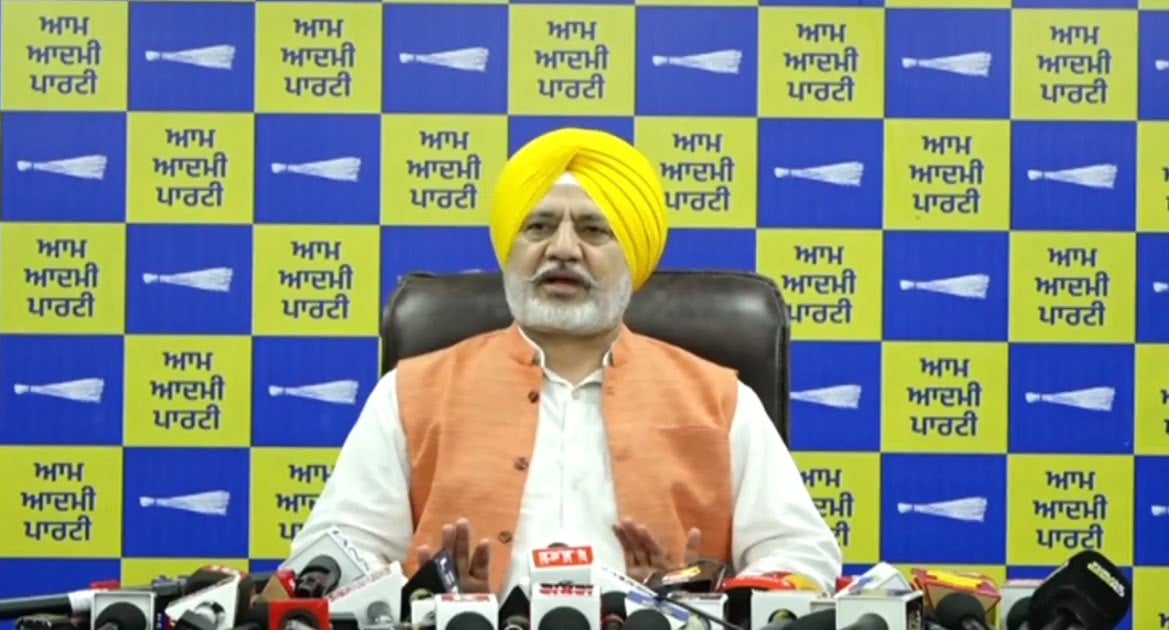
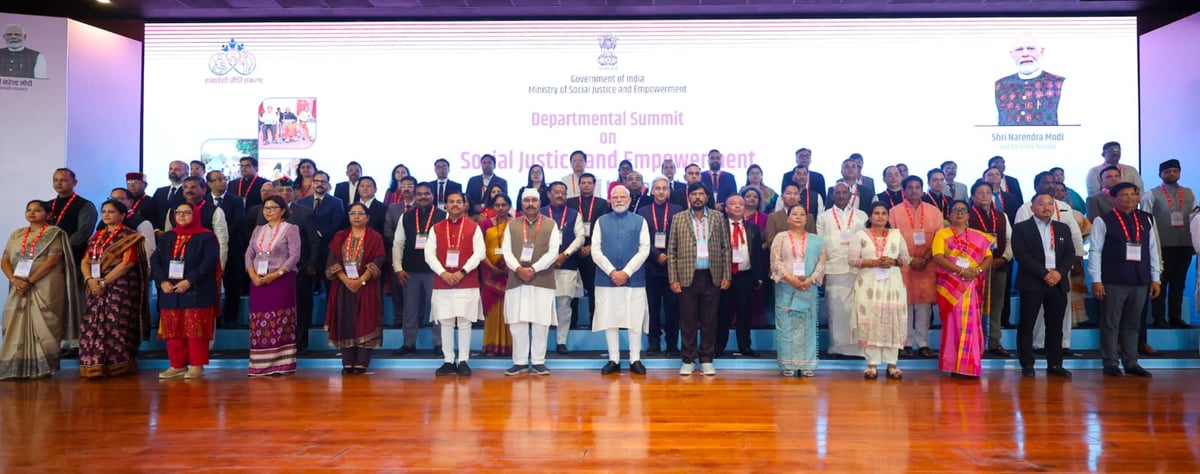
Punjab Cabinet Minister Dr. Baljit Kaur showcased the state's comprehensive anti-drug strategy at the ‘Samaveshi Niti Sankalp—Commitment to Policy for Inclusivity’ Departmental Summit-2026, organised by the Union Ministry of Social Justice and Empowerment in New Delhi.
Addressing the session on ‘New Thinking for Drug Prevention and Drug Demand Reduction for a Nasha Mukt Bharat’, the Minister highlighted Punjab's multi-pronged approach, which focuses on strict action against drug trafficking, prevention, treatment, rehabilitation and community participation.
Dr. Baljit Kaur said the fight against drugs was not merely about eliminating a problem but about saving lives, guiding the youth towards a positive future and restoring hope in society. She said the Bhagwant Mann-led Punjab Government viewed drug abuse as a public health and social challenge rather than merely a law-and-order issue.
Highlighting the achievements of the ‘Yudh Nashian Virudh’ campaign, launched on March 1, 2025, she said every government department, district and citizen had been made an active stakeholder in the statewide campaign.
The Minister informed that approximately 66,000 cases under the NDPS Act had been registered so far, with a conviction rate of nearly 90 per cent. Additionally, police efforts had helped connect more than 12,000 drug-affected individuals with treatment facilities.
She said 547 Outpatient Opioid Assisted Treatment (OOAT) clinics were operational across Punjab, providing free treatment and counselling to approximately 3.2 lakh people. Monthly admissions at these centres had crossed 3,000, indicating an encouraging increase in the number of people coming forward for treatment.
Highlighting the ‘Soorma’ initiative, Dr. Baljit Kaur said individuals who had remained drug-free for more than two years were being encouraged to become role models. They share their recovery journeys in schools, rehabilitation centres and awareness programmes to inspire others to stay away from drugs.
Under the ‘Pindan De Pehredar’ initiative, more than 15,000 Village Defence Committees, comprising around 1.25 lakh members, are actively participating in drug prevention and awareness activities. Their inputs have led to the registration of 4,338 FIRs, while several drug-affected individuals have also been connected with treatment services.
On efforts to protect young people from substance abuse, the Minister said more than 7.5 lakh students across over 3,600 schools were being sensitised about the harmful effects of drugs. A specialised curriculum developed with the support of J-PAL had helped increase students' awareness about the risk of heroin addiction, even from a single use, from 60 per cent to over 90 per cent.
She further highlighted the government's focus on mental health, stating that well-being activities were being conducted in government schools. Around 30,000 teachers were being trained, ‘Sangat Clubs’ were being established in 40 colleges and 23 Mental Health Fellows had been deployed.
Emphasising the role of sports in drug prevention, Dr. Baljit Kaur said the Punjab Government had launched a Rs 1,500-crore initiative to develop playgrounds in 3,100 villages. The number of sports coaches had also been increased from 500 to 2,458 to encourage youth participation in sports.
She said the ‘Safe Punjab’ WhatsApp chatbot had received 56,578 tip-offs from citizens, resulting in the registration of 20,875 FIRs, reflecting strong public participation in the campaign.
The Minister also highlighted the provision of addiction treatment facilities inside prisons. OOAT clinics were operational in 20 jails, around 25,000 inmates had been screened and eight de-addiction centres had been made functional within prison premises.
Dr. Baljit Kaur said the government's 360-degree strategy was aimed at building a healthy, prosperous and drug-free ‘Rangla Punjab’ by guiding the state's youth towards a positive future. She reiterated that the government was following a zero-tolerance policy against drug trafficking while ensuring dignity, care and rehabilitation opportunities for those battling addiction.
The summit, held at Sushma Swaraj Bhawan in New Delhi, was also attended by the Prime Minister of India, underlining the importance of inclusive policies and collective efforts to address social challenges.
Concluding her address, the Minister said Punjab's anti-drug model rested on three key pillars—strict enforcement, a compassionate approach towards victims and active public participation—and could make a significant contribution towards achieving the national goal of a ‘Nasha Mukt Bharat’.