Punjab Newsline | New Delhi
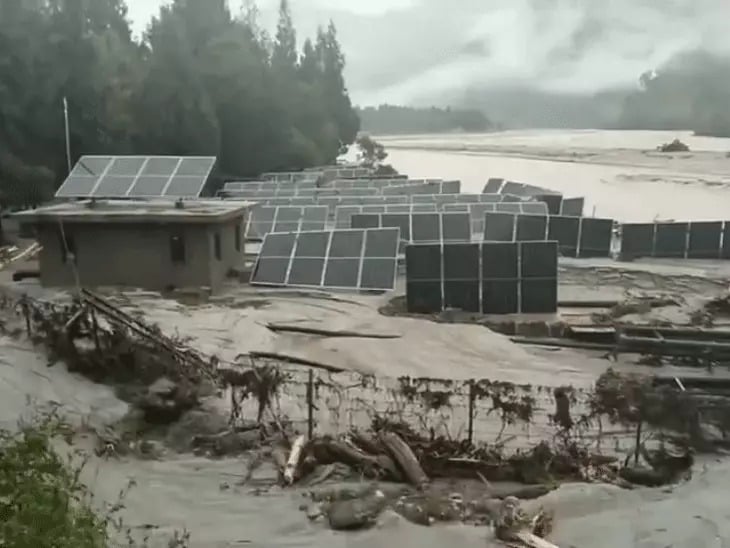
A glacial lake outburst in Bhutan late Thursday night triggered flash floods, causing extensive damage to infrastructure and raising concerns in downstream areas of India.
The powerful flow of water from Shinthaphu Glacier Lake washed away the famous Gasa Tsachu hot spring completely and damaged a section of the Punakha-Gasa Highway, forcing authorities to suspend traffic. No casualties have been reported so far.
The sudden surge in water has significantly raised the water level of the Sankosh River, which flows from Bhutan through areas along the Assam-West Bengal border before eventually joining the Brahmaputra River. Following the development, authorities in both Assam and West Bengal have issued alerts in vulnerable riverside areas.
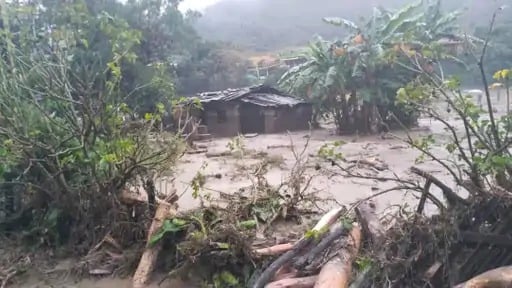
In West Bengal's Alipurduar district, more than 10,000 people have been evacuated from vulnerable areas and shifted to safer locations and relief camps. Sirens were sounded throughout the night to alert residents, with authorities urging people to leave their homes immediately. Teams from the National Disaster Response Force (NDRF), State Disaster Response Force (SDRF) and disaster management departments have also been deployed.
According to preliminary reports, water began flowing out of Shinthaphu Tsho Lake in the Lungo area of Laya Gewog in Bhutan's Gasa district on the evening of October 29. Located beneath Wakila Mountain, the lake is among Bhutan's 17 potentially dangerous glacial lakes.
The floodwater moved through the catchment area of the Mo Chhu River and reportedly reached the Taktsamakhang area at around 8:15 pm. The force of the water severely damaged facilities at the Gasa Tsachu hot spring, a popular tourist destination.
As the floodwater is expected to move downstream towards India, precautionary measures have been intensified in Alipurduar and Jalpaiguri districts of West Bengal, as well as Dhubri district in Assam. Authorities are closely monitoring river levels and have stepped up evacuation and emergency response operations to prevent any loss of life.