Punjab Newsline | Haryana
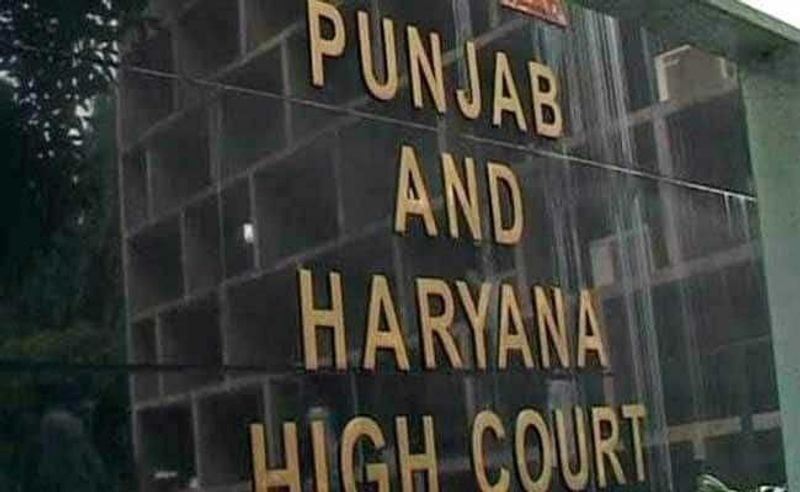
The Punjab and Haryana High Court on Monday took up a significant petition challenging the extension of the Assam Tenancy Act, 2021, to Chandigarh and referred the matter to an appropriate Bench for detailed consideration. The case has sparked an important legal debate over the separation of judicial and executive powers.
Appearing for the petitioners, senior advocate Chetan Mittal strongly objected to the existing framework under the law. He submitted that one of the key concerns was that the role of the ‘Rent Authority’ and the appellate mechanism had effectively been assigned to executive officers such as tehsildars and additional deputy commissioners, who are already burdened with administrative duties.
Mittal argued that entrusting such officers with judicial powers traditionally exercised by courts is not only impractical but also contrary to well-established constitutional principles. He emphasized that the separation of powers between the judiciary and the executive is a cornerstone of a fair legal system, and any dilution of this principle could undermine the delivery of justice.
The matter was heard by a Bench headed by Chief Justice Sheel Nagu. During the hearing, the petitioners highlighted that concentrating administrative and judicial responsibilities in the same set of officers could affect impartiality and efficiency in decision-making.
The plea further pointed out that these officials, already handling multiple administrative responsibilities, may not be able to devote adequate time to judicial proceedings. This could potentially lead to delays and complications for citizens seeking justice under the rent law framework.
With the High Court now referring the matter to a suitable Bench, a more detailed hearing is expected in the coming days. The outcome of the case could have far-reaching implications, not just for Chandigarh but also for similar legal frameworks where the balance between executive authority and judicial independence is under scrutiny.