Punjab Newsline,Business:
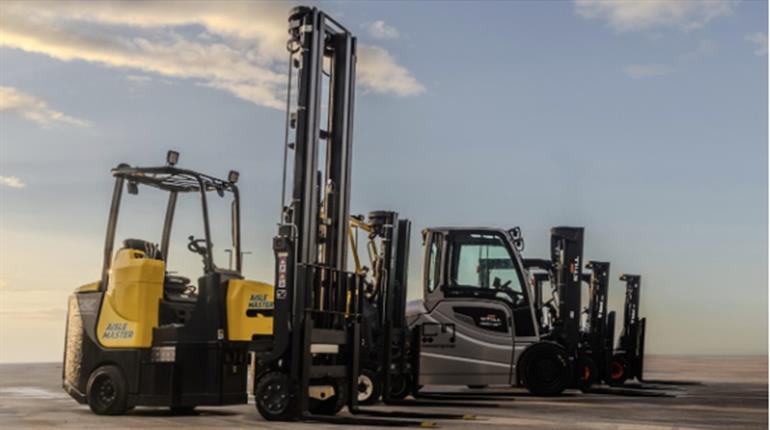
In today’s fast-paced industrial and logistics environment, productivity is driven by how efficiently materials move through operations. Whether it is a warehouse, manufacturing unit, distribution centre, or large retail facility, forklifts play a central role in daily workflows. However, productivity is not simply about having equipment available. It depends on choosing the right forklift truck for rent that matches operational requirements and working conditions.
Renting material handling equipment has become an increasingly popular option for businesses that want flexibility without heavy capital investment. The real productivity advantage comes when the rented equipment is correctly selected, well-maintained, and supported by experienced service providers.
Understanding Productivity In Material Handling
Material handling productivity refers to the speed, accuracy, and consistency with which goods are moved, stored, and retrieved. Delays caused by unsuitable equipment, frequent maintenance issues, or inefficient layouts can disrupt entire supply chains.
The right forklift choice helps businesses:
- Reduce material movement time
- Minimise handling errors
- Improve workplace safety
- Use manpower more effectively
When equipment aligns with the workflow, productivity improves naturally across operations.
Why Renting Forklifts Supports Operational Efficiency?
Forklift rental allows businesses to stay agile while maintaining operational control. Instead of committing large sums to asset ownership, organisations can align equipment usage with actual demand.
Key benefits of forklift rental include:
- Access to modern equipment without upfront costs
- Predictable operating expenses
- Maintenance and compliance are handled by the rental partner
- Easy scalability based on workload changes
Rental solutions offered by experienced providers often include technical support and operator management, helping businesses focus on throughput rather than equipment upkeep.
Selecting The Right Forklift For The Job
Different applications demand different forklift capabilities. Productivity declines when equipment does not suit the environment or load profile.
Load Characteristics
Understanding load weight, size, and frequency is essential. Underpowered forklifts slow operations and increase wear, while oversized machines consume unnecessary space and energy.
Working Environment
Indoor operations benefit from electric forklifts due to lower noise and zero emissions. Outdoor yards or heavy-duty applications may require diesel or LPG models with higher lifting capacity and durability.
Warehouse Layout and Storage Height
Facilities with narrow aisles and high racking require specialised solutions. Using the correct combination of forklift and reach truck allows operators to move goods efficiently while maximising storage density.
How The Right Equipment Improves Productivity?
When forklift equipment is aligned with operational requirements, it directly supports smoother workflows, consistent output, and safer material movement across the facility.
Faster Movement of Goods
Well-matched forklifts improve manoeuvrability and reduce travel time. This leads to quicker loading, unloading, and stacking cycles throughout the facility.
Reduced Downtime
Professional rental providers focus on preventive maintenance and timely servicing. Well-maintained equipment experiences fewer breakdowns, ensuring consistent operational flow.
Better Operator Performance
Ergonomic design, clear visibility, and intuitive controls help operators work with confidence. Reduced fatigue and fewer errors translate directly into higher output.
Safer Operations
Forklifts that suit the task offer better stability and control. Improved safety reduces accidents, limits damage, and prevents operational interruptions.
Importance Of Choosing The Right Rental Partner
Equipment selection alone is not enough. The quality of the rental provider significantly influences productivity outcomes. Established rental companies like Godrej RenTRUST offer structured rental programmes that focus on:
- Application-based equipment deployment
- Regular maintenance schedules
- Trained and certified operators
- Compliance with safety and labour regulations
Such comprehensive support ensures equipment performance remains consistent throughout the rental period.
Adapting To Changing Business Demands
Business volumes rarely remain constant. Seasonal peaks, sudden order surges, or facility expansion often require material handling capacity to change at short notice. Opting for a forklift truck for rent allows organisations to scale their fleet based on actual operational demand, without being tied to long-term ownership costs.
During high-volume periods, additional equipment can be deployed to maintain loading and dispatch efficiency. When demand stabilises, fleet size can be adjusted to avoid idle assets and unnecessary expense. This flexibility ensures productivity remains stable while operational costs stay aligned with business requirements.
Role Of Technology In Rental Productivity
Technology plays an increasingly important role in improving rental efficiency. Many modern rental solutions now combine traditional forklifts with specialised equipment, such as a forklift and reach truck to suit varied warehouse layouts. Digital monitoring tools provide visibility into equipment utilisation, idle time, and maintenance schedules. Access to this data helps businesses identify inefficiencies, plan resources better, and maintain consistent performance across shifts and locations.
Conclusion
Choosing the right forklift for rental is a strategic decision that directly affects operational productivity. Equipment that matches the application, environment, and workload supports faster workflows, safer operations, and better use of resources.
By selecting suitable equipment and working with experienced rental providers, businesses can achieve measurable productivity improvements. A carefully planned approach to forklift rental enables operations to remain efficient, adaptable, and competitive in an increasingly demanding market.