Punjab Newsline | New Delhi
Amid growing concerns over repeated paper leak incidents and increasing debates about the effectiveness of India’s current education system, a major discussion on the future of education is set to take place at the national level. Prime Minister Narendra Modi will chair an important meeting of the NITI Aayog Governing Council on June 11, 2026, where Chief Ministers from various states will participate to deliberate on key reforms needed in the education sector.
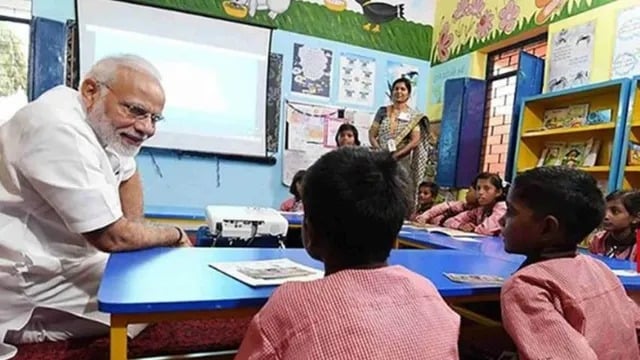
The meeting is expected to focus on developing a long-term strategy to build the human resources required for achieving the vision of Viksit Bharat 2047. Discussions will revolve around strengthening foundational learning, improving the quality of primary and secondary education, and preparing students for the demands of a rapidly evolving global economy.
According to sources, policymakers will examine ways to make the education system more future-ready by enhancing learning outcomes and equipping students with the skills necessary to succeed in a competitive world. Special emphasis is likely to be placed on ensuring that education goes beyond textbooks and examinations.
A significant part of the deliberations will center on promoting the holistic development of students. Along with academics, the meeting is expected to explore policies that encourage participation in sports, cultural activities, leadership programs, creativity, and personality development. Experts believe that future generations will require not only subject knowledge but also critical thinking, communication skills, innovation, and problem-solving abilities.
The NITI Aayog meeting comes at a time when questions are being raised about examination transparency, evaluation processes, and the overall quality of education in the country. Against this backdrop, the Centre and the states are expected to discuss coordinated reforms aimed at strengthening the education ecosystem and restoring public confidence in academic institutions.
The meeting may also provide an opportunity for states to showcase successful education models and innovative initiatives that could be adopted on a wider scale across the country. Such exchanges could help identify best practices and create a more effective framework for educational development nationwide.
Education experts believe that if the recommendations emerging from the meeting are implemented effectively, India could witness significant changes in its education landscape over the coming years. These reforms could play a crucial role in shaping a skilled, capable, and globally competitive workforce, laying a strong foundation for the country’s journey toward becoming a developed nation by 2047.