Punjab Newsline | New Delhi
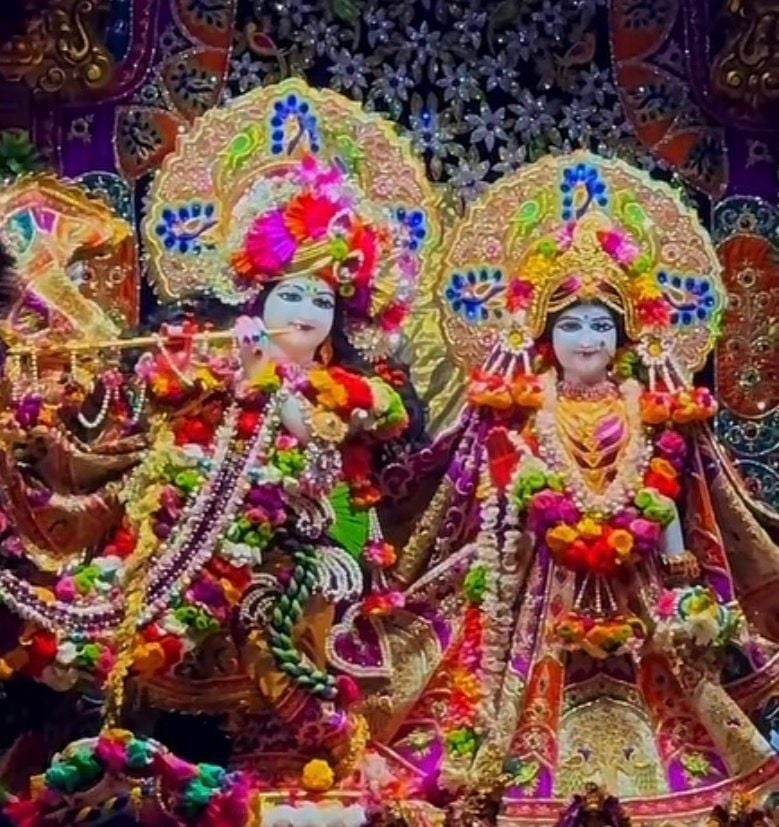
The festival of Sri Krishna Janmashtami is being celebrated across India on September 4, 2026, marking the birth anniversary of Lord Krishna. Temples dedicated to Krishna are witnessing large gatherings of devotees, with special prayers, devotional songs, and elaborate religious ceremonies being organized throughout the day and night.
Janmashtami holds immense religious significance in Hindu tradition. Devotees observe fasts, offer prayers, and participate in midnight celebrations commemorating the birth of Lord Krishna. Different religious traditions follow different fasting practices.
While some devotees observe a strict nirjal (waterless) and foodless fast, others consume fruits, milk, and other sattvic foods according to their physical capacity.
Religious scholars emphasize that devotion and sincerity are more important than the type of fast observed. Those unable to keep a strict fast can still worship Lord Krishna by consuming fruits and dairy products while maintaining spiritual discipline.
On this auspicious occasion, devotees also prepare and offer a variety of traditional dishes believed to be especially dear to Bal Gopal (Child Krishna). Apart from saag, kadhi, and puri, eight popular offerings include:
Kheer (rice pudding)
Suji Halwa or Laddoo
Sevaiyan (vermicelli pudding)
Puran Poli
Malpua
Kesar Bhaat (saffron rice)
Sweet fruits, especially bananas
Kalakand
These offerings are presented as bhog (sacred food offering) before being distributed among devotees as prasad. The festival continues to be celebrated with great enthusiasm, reflecting Lord Krishna’s enduring spiritual and cultural significance across the country.