Punjab Newsline | New Delhi
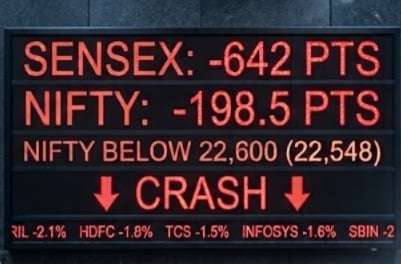
The ongoing tensions in the Middle East are increasingly affecting global markets, leading to a steady rise in crude oil prices. As a result, fuel prices in India, including petrol and diesel, are also witnessing upward pressure. Experts warn that if the conflict continues for a longer period, fuel prices in India could rise further.
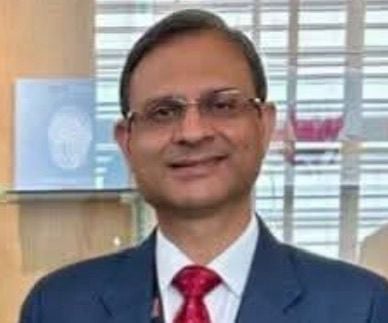
This concern was highlighted by Reserve Bank of India (RBI) Governor Sanjay Malhotra, who stated that prolonged geopolitical instability may force governments to pass on part of the increased cost burden to consumers.
Speaking at a conference jointly organised by the Swiss National Bank and the International Monetary Fund in Switzerland on Tuesday, Malhotra said, “If the situation persists for a long time, the government may have to pass on some of the price increase to consumers.”
He further noted that excise duties had been adjusted to absorb the impact of rising crude oil prices, while government fuel retailers are currently bearing the increased costs.
His remarks come shortly after Prime Minister Narendra Modi urged citizens to reduce fuel consumption amid global uncertainty and also appealed for postponing non-essential gold purchases to protect foreign exchange reserves. Following this, the government has increased import duties on gold, with further measures to curb imports likely in the future.
Meanwhile, inflation in India stood at 3.48% in April 2026, slightly higher than March’s 3.40%, though still below expectations. The moderation was largely due to government intervention that prevented the full impact of rising oil prices from reaching consumers. However, continued Middle East tensions and supply chain disruptions pose a risk of higher inflation in the coming months.