Punjab Newsline | New Delhi
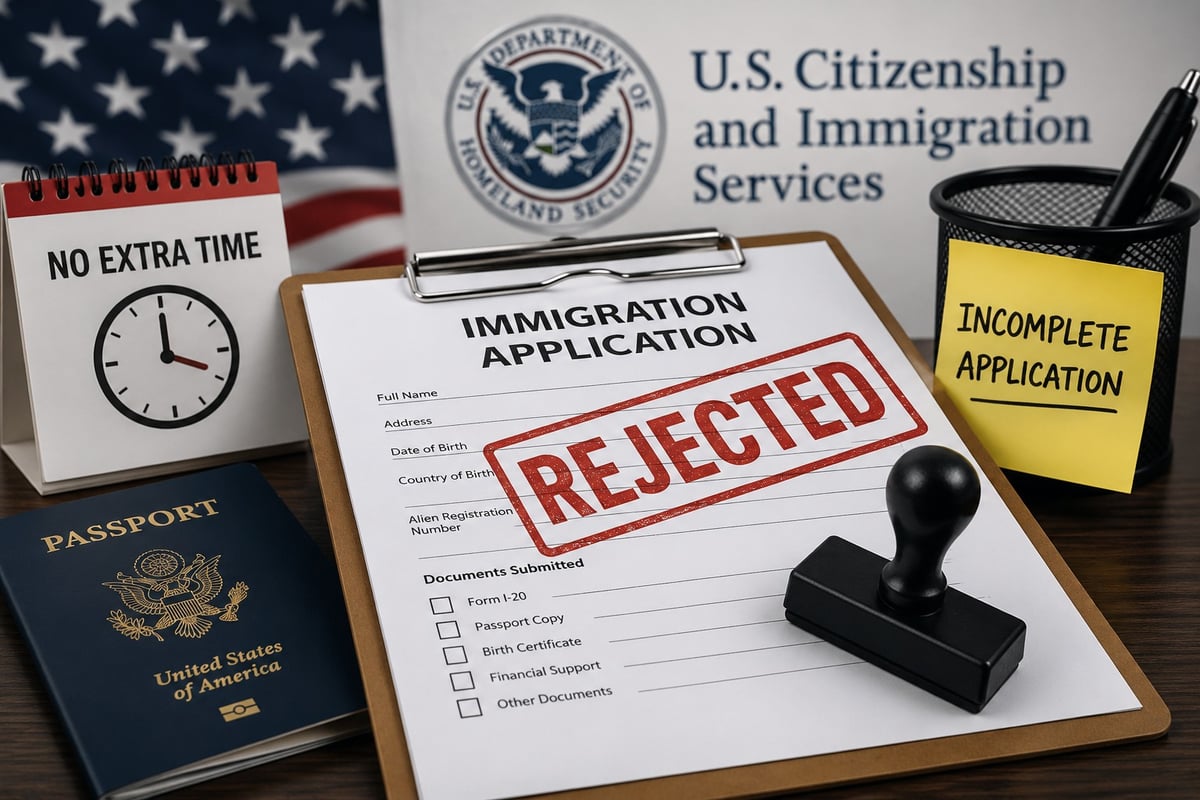
U.S. Citizenship and Immigration Services (USCIS) has announced a significant policy change that allows immigration officers to reject or deny applications without first requesting additional documents if the filing is incomplete or does not establish eligibility for the requested immigration benefit.
The decision restores discretionary powers that had previously been limited under earlier guidance.
Earlier Policy Allowed Additional Time
Under the previous system, applicants who received a Request for Evidence (RFE) or Notice of Intent to Deny (NOID) were generally given 12 weeks to submit missing documents or clarifications. Applicants living outside the United States were also granted an additional 14 days to respond.
USCIS Says Burden of Proof Lies With Applicants
In a statement issued on Wednesday, USCIS said that applicants are responsible for proving their eligibility when the application is filed and maintaining that eligibility until a final decision is made.
The agency stated that if the required initial evidence is missing or eligibility cannot be established from the submitted documents, officers may proceed with a denial without issuing an RFE or NOID.
Immediate Impact on New and Pending Cases
The new guidance has been implemented with immediate effect and will apply to both newly filed applications and cases that are already pending with USCIS.
What Officers Can Do Under the New Rule
Under the revised policy, USCIS officers may:
Reject applications that do not include mandatory initial documents
Deny applications where eligibility is not clearly established
Request additional evidence only if they consider it appropriate
Applicants Urged to Submit Complete Documentation
Immigration attorneys say the change increases the importance of submitting a fully documented application at the outset, as applicants may no longer receive a guaranteed opportunity to correct deficiencies after filing.