Punjab Newsline | Chandigarh
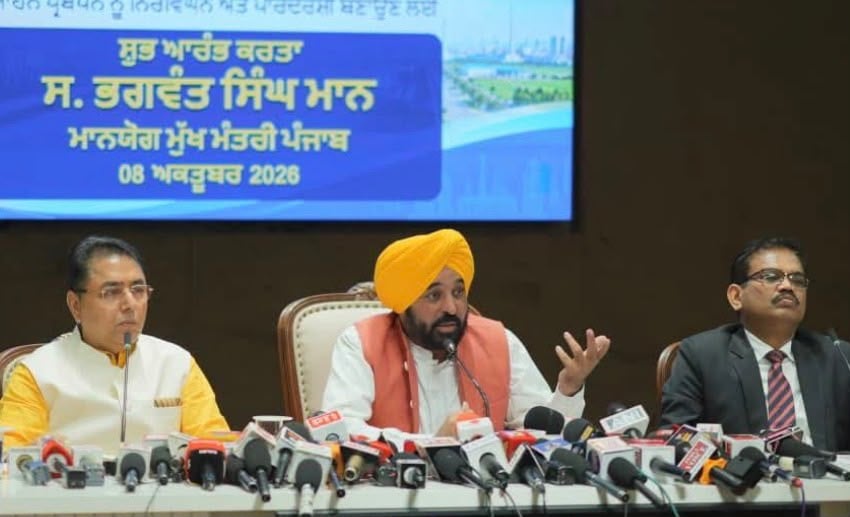
Libraries are emerging as a powerful and unexpected tool in Punjab’s fight against drug addiction under Chief Minister Bhagwant Singh Mann’s Yudh Nashean Virudh campaign. Set up in government-run de-addiction and rehabilitation centres, these libraries are helping recovering addicts manage cravings, rebuild concentration, and develop healthier daily routines.
The initiative is being supported through Punjab’s Leadership in Mental Health Program, a fellowship that connects young professionals with the state’s anti-drug mission. So far, fellows have helped establish, refurbish, or maintain libraries in rehabilitation centres across 10 districts, with plans to expand coverage to more than 80 per cent of such facilities by the end of the year.
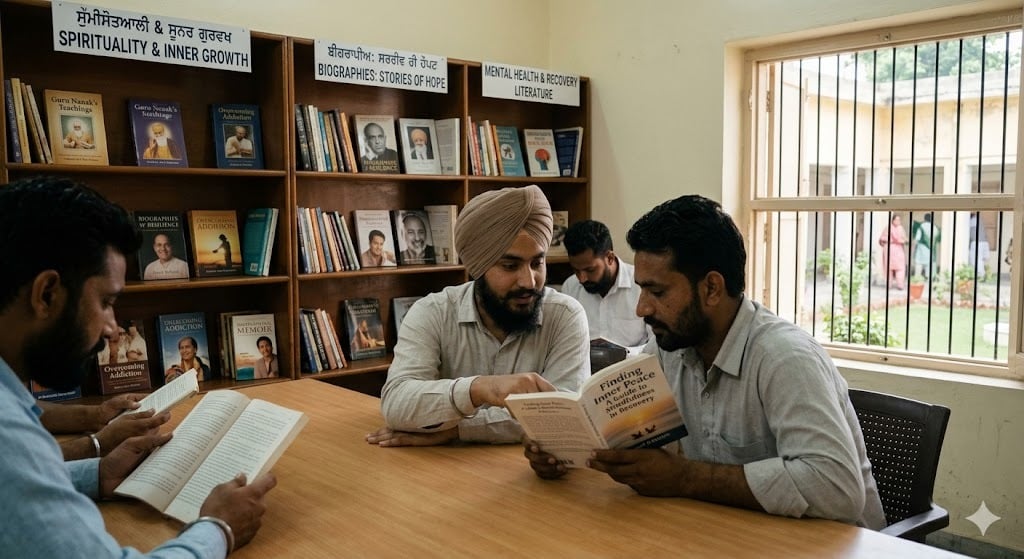
These libraries are stocked with religious texts, Sikh history, Punjabi literature, poetry, biographies, and mental health resources. Officials say the reading material helps patients regain something addiction often takes away—focus, reflection, and emotional stability.
At the government de-addiction and rehabilitation centre in Bathinda, reading has become a key part of recovery. Patients often spend their free time reading and discussing stories that mirror their own struggles.
“There were no books here earlier,” said Soma, a counsellor at the Bathinda centre. “Once patients start reading, their minds get diverted. Their cravings reduce because they become absorbed in books. Stories, poetry and autobiographies are especially popular.”
She added that reading now works alongside counselling sessions, helping patients think differently about their lives and future, while also improving emotional calmness and openness to recovery.
At the Hoshiarpur de-addiction centre, clinical psychologist Sandeep Kumari said the library initiative began modestly in 2016 with donated books. Over time, patients who initially showed little interest gradually began visiting and engaging with motivational and spiritual literature.
She noted that the libraries also helped bridge knowledge gaps among patients, including awareness about substance abuse risks and health issues. Biographies, religious texts, and anti-drug literature remain most popular, with Dr Narinder Singh Kapoor’s Dhoonghian Sikhraan among the most frequently read works.
Patients say the libraries have played a major role in their recovery journeys. Parminder Singh (name changed), currently undergoing treatment in Bathinda, said books on Sikh history and inspiring life stories give him strength and motivation. Another patient, Baldev Singh from Malerkotla, said reading helps him stay focused and mentally engaged after years away from the habit.
Counsellors across centres report a gradual but clear shift in behaviour, with many patients starting with simple books before moving on to deeper discussions, book exchanges, and longer reading sessions covering religion, history, and poetry.
With each page turned, officials say, many patients under Punjab’s Yudh Nashean Virudh initiative are symbolically turning a page in their own lives—moving slowly but steadily toward recovery and stability.