Punjab Newsline | New Delhi
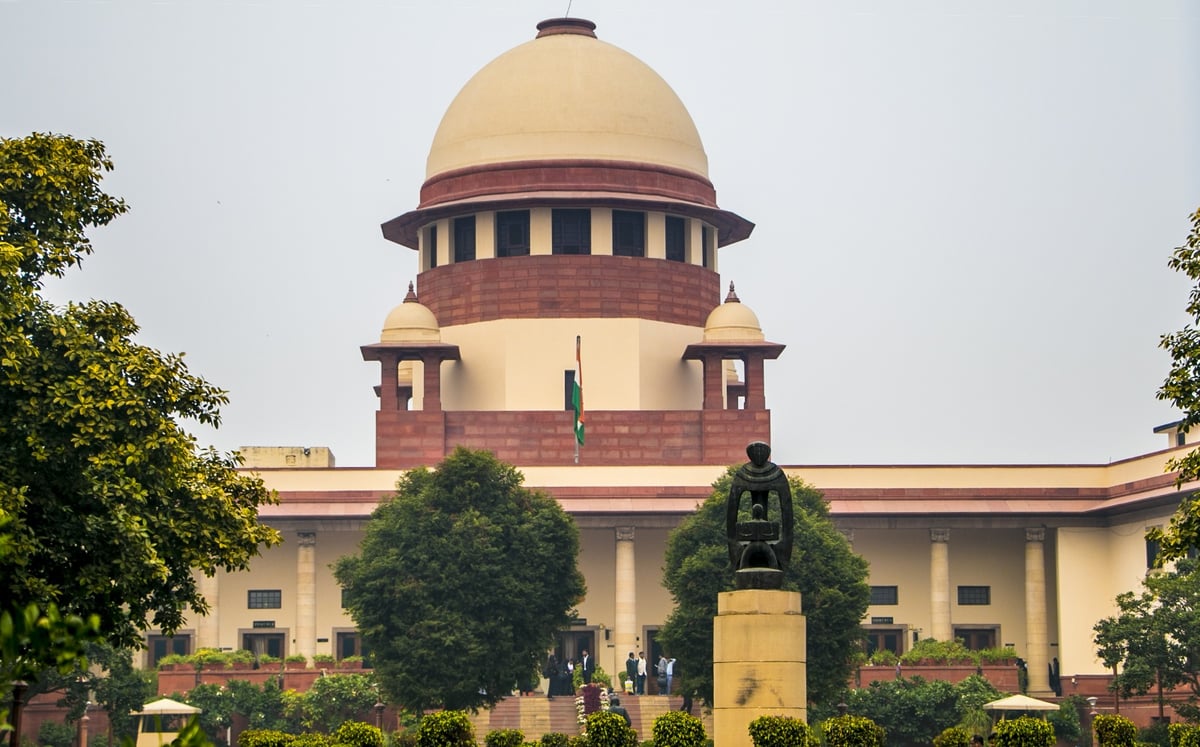
India’s judiciary is taking a major step toward becoming more technology-driven and digitally connected. On Monday, Chief Justice of India Justice Surya Kant announced two major initiatives aimed at modernising the country’s judicial system before the day’s proceedings began in the Supreme Court.
Under the newly launched “One Case One Data” initiative, information from High Courts, district courts, and taluka courts across the country will be integrated into a unified digital platform. The system will allow case-related information from multiple courts to be accessed in one place, making case tracking and management more efficient.
The CJI said the judiciary is working toward a modern case management system that will improve coordination between courts and streamline judicial proceedings. The initiative aims to digitally connect judicial records, unify data systems, and simplify the monitoring of pending cases nationwide.
According to the Chief Justice, the move will make the exchange of information between courts faster and more transparent. It is also expected to strengthen judicial administration while making legal services more accessible for citizens, lawyers, and other stakeholders.
Supreme Court Launches ‘Su Sahayata’ AI Chatbot
Alongside the digital data initiative, the Supreme Court has also launched an AI-powered chatbot named “Su Sahayata” on its website. The chatbot has been designed to help citizens and litigants easily access Supreme Court services and information.
The CJI said the chatbot was developed by the National Informatics Centre in collaboration with the Supreme Court Registry.
“Su Sahayata” will assist users with Supreme Court procedures, filing systems, important guidelines, case-related queries, and other judicial services. The AI-based system is expected to help users quickly find information on the website and better understand court-related processes.
The Chief Justice also praised officials of the Supreme Court Registry and members of the Bar for their contribution to the successful implementation of these projects. He added that the judiciary will continue to focus on technology-driven reforms in the future to ensure smoother and more effective judicial services for the public.