Punjab Newsline | Washington
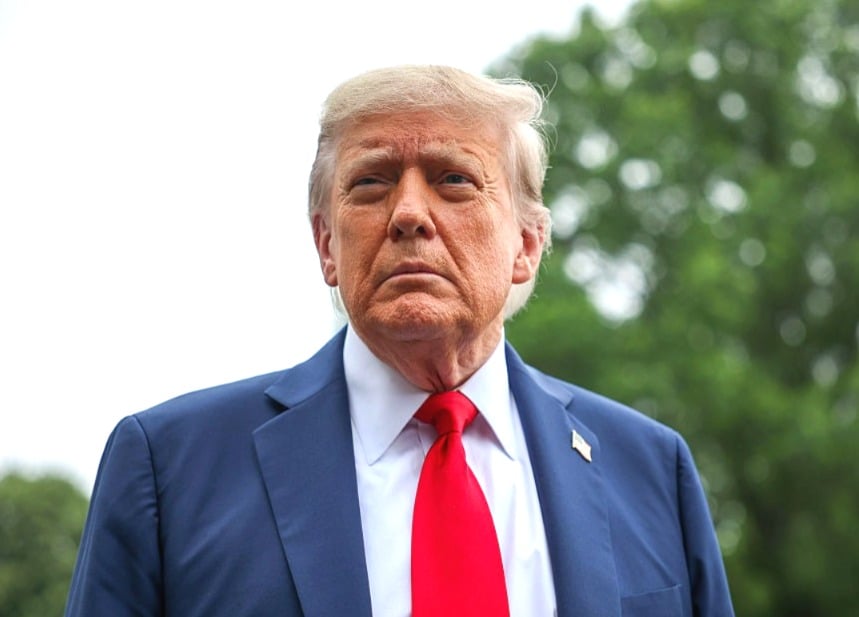
US President Donald Trump has lifted restrictions on Russian diesel purchases until April 7, 2027, allowing the United States to resume buying diesel from Russia. The move comes amid rising fuel prices in the US following the Iran war and ahead of the November 3 midterm elections.
The United States imposed sanctions on Russian oil following Russia’s invasion of Ukraine in 2022. However, the Trump administration has now moved to ease restrictions on diesel imports in an effort to increase fuel supplies and bring down prices.
Diesel prices in the US have reportedly climbed to around $6.28 per gallon, compared with approximately $3.70 before the war involving Iran. The surge in fuel costs has become a challenge for the Trump administration ahead of the midterm elections.
To address the situation, Trump has been exploring measures to increase oil and diesel supplies and ease pressure on consumers and businesses.
Russia to Supply Diesel in Phases
Trump said Russia would immediately send more than 300,000 tonnes of diesel to the United States. According to him, another 500,000 tonnes would be supplied in November, followed by an additional one million tonnes. He also indicated that supplies could eventually reach three million tonnes if the arrangement proceeds smoothly.
Speaking to reporters at the White House, Trump thanked Russian President Vladimir Putin and said lower prices remained a major priority for his administration, particularly for American farmers, ranchers and truck drivers.
Zelenskyy Criticises US Decision
Ukrainian President Volodymyr Zelenskyy criticised the decision to resume diesel purchases from Russia, warning that the move could provide Moscow with additional financial resources to continue its war against Ukraine.
Zelenskyy argued that the additional revenue could strengthen Russia’s ability to sustain military operations and launch further attacks against Ukraine.
The decision highlights the challenge facing Washington as it seeks to address rising domestic fuel costs while maintaining pressure on Russia over its ongoing war against Ukraine.